
March 30, 2026
Things Americans Should Know Before Traveling to Europe: Bathrooms, Etiquette & Everyday Life
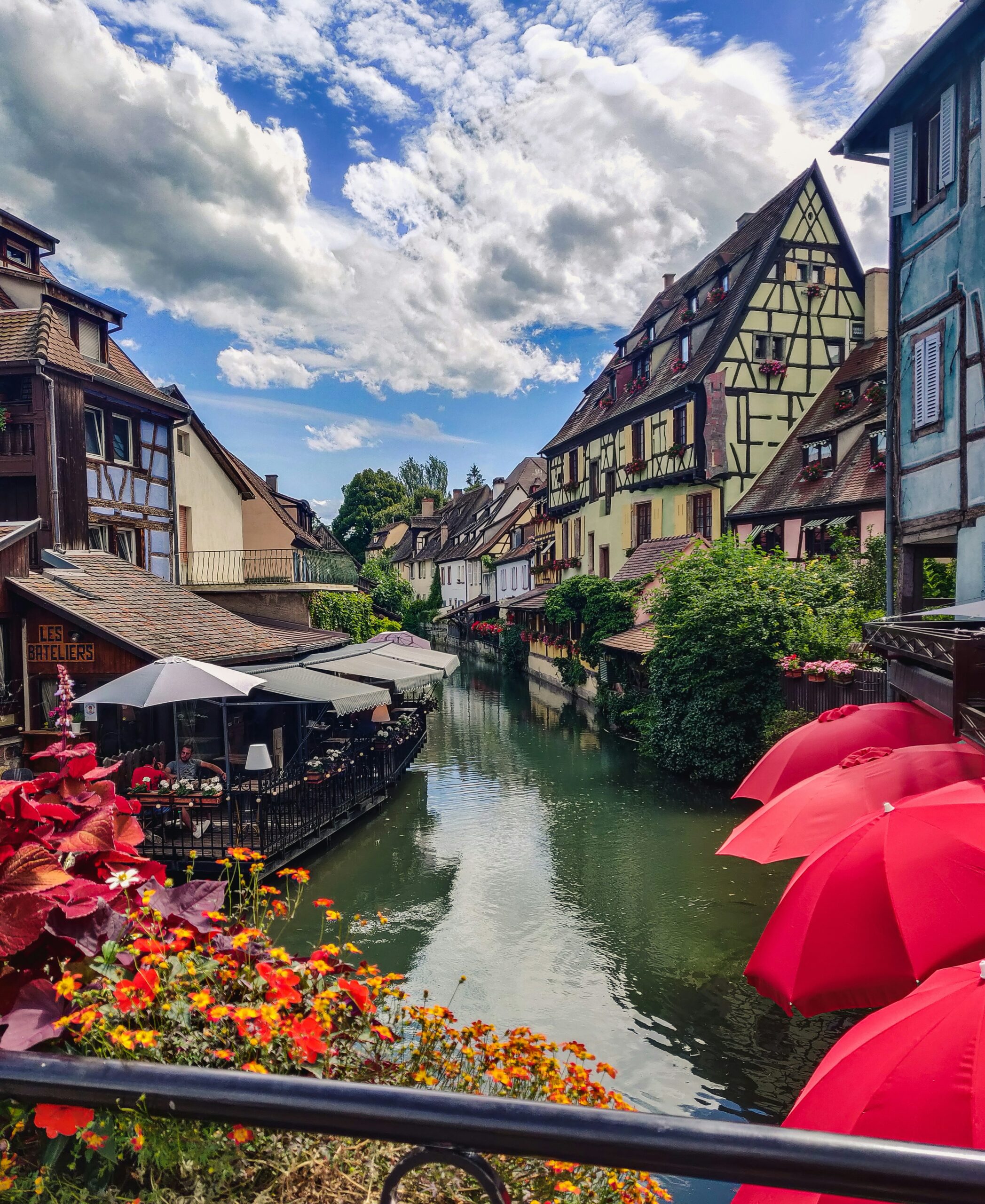
There are a few important things Americans should know before traveling to Europe, and surprisingly, most of them have nothing to do with language barriers or currency exchange. They tend to revolve around the rhythm of everyday life: how meals unfold, how restrooms operate, how shops keep their hours, and how social norms subtly differ from what we’re used to at home.
None of these differences are dramatic. In fact, they’re part of what makes travel meaningful. But when you understand them ahead of time, your experience feels smoother, more respectful, and far more immersive. These are the questions I’m asked most often before clients depart for their European itineraries.
Public Bathrooms Work Differently
One of the most common surprises for Americans visiting Europe is the restroom situation. In many cities, public bathrooms require a small coin payment or are accessible only to customers of a café or restaurant. Occasionally, there may be an attendant collecting a small fee at the entrance.
This system is completely normal and often results in cleaner facilities than you might expect. The key is simply being prepared. I always recommend keeping small euro coins easily accessible when exploring historic city centers, train stations, or local markets. In smaller cafés, you may also need to request the restroom key. Once you know this in advance, it becomes just another part of the rhythm of the day.
Water and Dining Customs May Surprise You
Dining is often where cultural differences become most noticeable. In many European countries, water is not automatically brought to the table, and it is typically bottled rather than tap. You’ll usually be asked whether you prefer still or sparkling, and both are charged accordingly. While tap water can sometimes be requested, bottled water is the cultural norm in many regions.
The pace of dining also differs significantly from what many Americans are used to. Meals are designed to unfold slowly, with courses spaced intentionally and little sense of urgency. Servers will not rush you, and they will not automatically bring the check. In fact, lingering is considered part of the experience. When clients understand this beforehand, dinner transforms from a scheduling concern into one of the most enjoyable parts of the day.
Volume and Social Awareness Matter
Another subtle but important adjustment involves volume. Americans are often perceived as louder than locals in restaurants, on trains, and within historic sites. This is not intentional — it is simply cultural. In many European cities, conversations are quieter, particularly in intimate spaces.
Being mindful of your volume is one of the easiest ways to blend in respectfully. It signals awareness and cultural consideration, and it helps you feel more like a participant in the environment rather than a visitor observing it from the outside.
Daily Schedules Follow a Different Rhythm
In smaller towns throughout countries like Italy, France, and Spain, you may find that shops close for several hours in the afternoon. This midday pause is not an inconvenience; it is tradition. Many local businesses operate around a rhythm that includes time for rest and family meals.
Planning your sightseeing around these hours prevents frustration and often results in a more relaxed day overall. Rather than rushing from one stop to another, the natural pauses encourage you to slow down, enjoy a long lunch, or wander without an agenda.
Tipping Culture Is More Subtle
Tipping expectations across Europe vary by country, but they are generally more modest than in the United States. In many destinations, service is already included in the bill. Rounding up the total or leaving five to ten percent is considered generous.
Large, U.S.-style gratuities are not expected and may even feel excessive in some regions. Understanding this ahead of time allows you to navigate each interaction with confidence and cultural awareness.
Why These Details Matter
Understanding things Americans should know before traveling to Europe is not about memorizing rules. It is about perspective. Travel becomes richer when we adjust gently to local customs rather than expecting every destination to mirror home.
When you know what to expect, whether it’s paying for a restroom, asking for the check, or planning around shop closures, your energy shifts. You relax into the experience. You move with the culture instead of against it.
That is when travel begins to feel less transactional and more transformative.
Planning Europe Travel Thoughtfully
Preparing for Europe goes beyond booking hotels and arranging transfers. It includes understanding how daily life unfolds so you feel confident from the moment you arrive.
Through our Full Service Planning experience , I guide clients not only through curated itineraries and preferred hotel partnerships, but also through the nuances that shape a seamless experience. From dining etiquette to pacing advice, every detail is considered.
If Europe is on your horizon, I would love to help you design it thoughtfully and intentionally.
You can schedule your complimentary travel design call here:
https://clinetravelco.com/calendar
If you enjoyed this post, you may also like:

Here you will find the latest travel tips and destination spotlights to help inspire you to keep dreaming about your next vacation.
Travel TIPS
Cline Travel Co. Blog!
welcome to the
LUXURY TRAVEL
Travel planning
Anywhere But Amalfi:
How to Choose The Right Destination For Your Next Getaway
Designed for busy couples who want an amazing European getaway but don't have the time to sift through endless destinations, reviews, and recommendations.
Grab This Freebie


